You Don’t Have a Time Problem. You Have an Energy Problem.
April is here. The days are longer, the weather is turning, and you probably have a running list of things you’ve been meaning to do since January. Sound familiar?
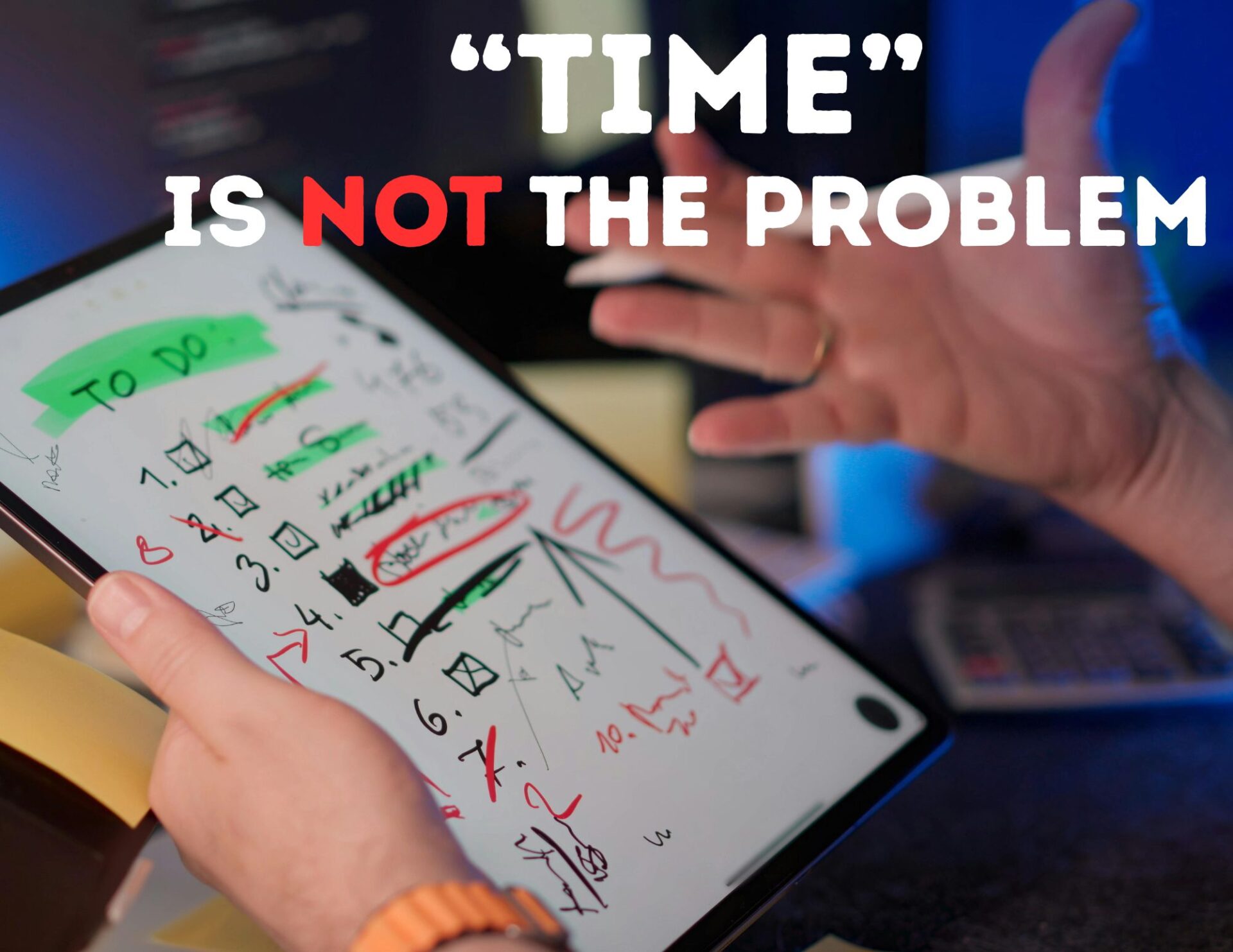
Here’s what most of us do: we assume the problem is that we don’t have enough time. So we try to squeeze more in. We wake up earlier, go to bed later, skip lunch, run ourselves ragged — and still feel like we’re falling behind.
But what if time isn’t actually the problem?
What if the real issue is that you’re running on empty — and no amount of time management fixes that?
🤔The Time Management Trap
We’ve been sold on time management for decades. Planners, schedules, productivity apps, color-coded calendars… and yet, most of us still feel overwhelmed and behind. Why?
Because you can’t manage your way through exhaustion. You can have all the time in the world and still accomplish nothing if your body and brain don’t have the energy to show up for it.
This is especially true for women in perimenopause and menopause. And it’s not in your head.
💪What’s Actually Happening in Your Body
When estrogen and progesterone start to fluctuate, your body’s energy systems take a hit in ways that go far beyond “feeling tired.” Here’s what’s actually going on:
- Sleep quality drops, even if you’re in bed for 8 hours. Disrupted sleep means your body isn’t recovering the way it used to.
- Cortisol patterns shift. That “wired but tired” feeling at night? That’s not a personal failing — that’s hormones.
- Mitochondrial function changes. Your cells literally produce energy less efficiently during hormonal transition.
- Blood sugar becomes less stable. The afternoon crash isn’t laziness — it’s biology.
Knowing this matters because it changes how you approach your day. Instead of pushing harder when you’re running low, you start working with your energy instead of against it.
⚡Energy Management: What It Actually Means
Energy management isn’t about doing less. It’s about being intentional with what you spend your energy ON — and protecting your ability to refill the tank.
There are four types of energy worth paying attention to:
- Physical energy — how your body feels. Sleep, movement, nutrition, hydration.
- Mental energy — your focus and clarity. Decision fatigue is real, and it accumulates fast.
- Emotional energy — what you’re carrying. Stress, worry, people-pleasing, and conflict are all energy expenses.
- Purpose energy — what lights you up. Doing things that align with your values actually gives you energy, not just spend it.
When one of these tanks is low, the others suffer. That’s why you can get a full night’s sleep and still feel depleted if you’ve been emotionally running on fumes all week.
🙋♀️How to Start Managing Your Energy (Not Just Your Time)
You don’t need a complete overhaul. Start here:
1. Know your peak energy window
Most people have 2-4 hours of genuinely high-focus energy per day. Notice when yours is. Schedule your most important tasks there — and protect it like a meeting you can’t miss.
2. Stop saying yes to energy drains by default
Every commitment, obligation, and request costs something. You don’t have to say no to everything — but start noticing which things leave you feeling depleted versus recharged.
3. Build recovery into your day — on purpose
Recovery isn’t a reward for finishing everything. It’s a strategy. A 10-minute walk, five minutes of quiet, or stepping away from a screen can reset your energy more than another cup of coffee.
4. Move your body — even when you’re tired
I know it sounds backward, but consistent movement is one of the most powerful tools for improving energy — especially during menopause. Exercise improves sleep quality, stabilizes blood sugar, and supports mitochondrial function. You don’t need a long workout. You need a consistent one.
5. Use your habit tracker with energy in mind
This month, try tracking habits that are specifically about energy management. Think: sleep by 10pm, afternoon walk, no phone first 30 minutes of the day, one thing that fills you up. Small, protective habits that guard your most valuable resource.
💬The Question Worth Asking Yourself This Month
Instead of “How do I fit more in?” try asking:
“What do I need to protect so I can show up fully for what matters?”
That’s the shift. From squeezing in more to showing up better.
Your energy is your most valuable resource — more than your time, more than your to-do list. Guard it accordingly.
💡 Bottom Line
You can’t schedule your way out of exhaustion. More time on the calendar doesn’t help if you don’t have the energy to show up for it. This month, stop asking how to fit more in and start asking what’s worth protecting. Your energy is finite, it’s valuable, and it’s yours to manage. Guard it like it matters — because it does.
🩷 Join StrongHER Together
If you’re tired of trying to figure this out alone, StrongHER Together is where women come to do exactly this work — together. Expert coaching, real talk, wellness challenges, and a community that actually gets it. You can learn more at getfitwithashley.com/strongher.
📫 Get Your FREE Habit Tracker
Sign up for my newsletter and get a free monthly habit tracker PDF delivered to your inbox every month — plus a bonus guide: Five Ways to Feel Your Best in Midlife.